Business idea · NZ · 2026
Start a Residential Cleaning Business in NZ
TL;DR
Residential cleaning is one of the most reliable service businesses to start in NZ. Startup cost is low (under $500 of supplies), demand is steady year-round, and recurring contracts compound fast. Most full-time operators are at $90k+ revenue by year one with one or two staff.
Startup cost
$300–$800
Realistic earnings
$1,000–$2,000/wk solo year 1
Earnings explorer
Run the numbers for your situation
Weekly residential cleaning clients on rotation. Move the sliders to see realistic monthly and annual figures, plus how long the startup capital takes to pay back.
Per month
NZ$11,180
Annual run-rate
NZ$134,160
Weeks to recoup setup
1 weeks
Against NZ$1,500 startup
Modelled estimate, not a guarantee. Real outcomes depend on doing good work, answering the phone fast, and how aggressively you fill the calendar in the first 8–12 weeks.
What you need to start
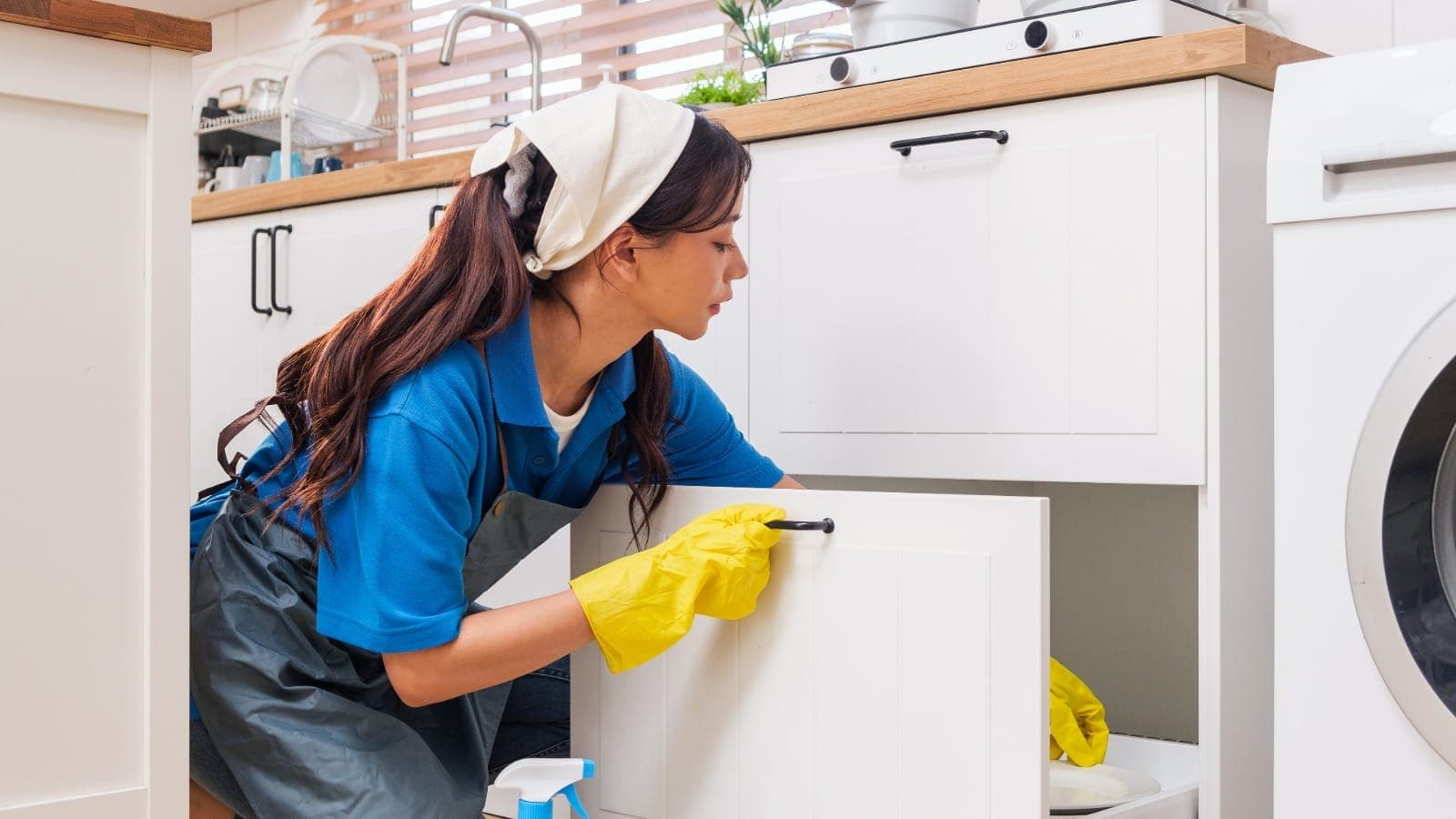
- ▸Microfibre cloths (multi-pack)
- ▸A good vacuum — bagless, HEPA filter ($300–$600 new)
- ▸Mop, bucket, broom, dustpan
- ▸Standard cleaning chemicals — Spray and Wipe, glass cleaner, bathroom cleaner, oven cleaner
- ▸Rubber gloves, two pairs
- ▸A car or van that fits the kit
- ▸Public liability insurance ($30–$50/mo)
Why this is AI-proof
Houses get dirty. Robots can vacuum a clear floor but they can't scrub a shower, dust a bookshelf, or notice the patch behind the toilet. The premium end of cleaning is increasingly about consistency, attention to detail, and being someone the homeowner trusts in their house. None of that is going anywhere.
Why this is the steadiest service business to start
Residential cleaning has three things going for it that most service businesses don't. First, it's recurring by default — most customers want a fortnightly clean, which means once you've signed them up, the revenue is locked in. Second, the work is year-round — unlike lawn mowing or house washing, demand doesn't drop in winter. Third, it's the cheapest service business in NZ to start: you can be operational with $300 of supplies and a vacuum.
The catch: it's physically demanding work and the supply of cleaners in NZ has tightened post-2024 immigration changes. That's actually good news if you're starting now — there's genuine unmet demand in most cities, and customers are paying premium rates for reliability.
Realistic NZ rates in 2026
Standard residential cleaning rates in NZ run between $40–$60/hr per cleaner depending on city. Auckland and Wellington are at the top of that range, regional cities at the bottom. A standard 3-bedroom house takes 2–3 hours to clean to a good standard, so most jobs are $90–$160 per visit.
- Standard fortnightly residential clean: $90–$160 per visit
- Move-out / bond clean: $300–$600 (one-off, premium)
- Spring clean / deep clean: $250–$500 (one-off, scheduled)
- Commercial cleaning (offices): $35–$45/hr — lower rate but volume
- Solo operator full-time: $1,000–$2,000/wk realistic year 1
How to find your first clients
The same playbook as any local service: a website that ranks, a Google Business Profile, and three early reviews. Cleaning has one specific quirk — customers want to see proof you're trustworthy in their home. So your website needs:
- Photos of your actual work (before and after, real homes — get permission)
- An 'About' page with a real photo of you, not a stock image
- A clear list of what's included (and what's not — like dishes, ironing)
- Your trading name and IRD number on every invoice — looks professional
- Public liability cover noted on the site — reassures the customer
Then: ask your first three customers for Google reviews. Don't be shy. Reviews are the entire game in cleaning — every potential customer reads them before they call.
What separates the well-paid operators from the rest
Two things: consistency and quality. Customers will pay 30% more for the cleaner who shows up every fortnight, on time, and never misses the spots they care about. They'll drop you instantly for sloppy work or a no-show.
- Use a checklist for every house — keep it on your phone, tick off as you go
- Photograph each room before you start (insurance against 'you broke this' claims)
- Always finish with the kitchen — it's what they see first when they get home
- Communicate proactively. Running 15 minutes late? Text. They'll forgive that. Silent no-show kills you.
Sole trader or limited company?
Start as a sole trader. The only reason to incorporate later is if you're growing past 4–5 staff and want clear separation between business and personal liability. For a 1–2 person operation, sole trader is right. Use the free IRD message generator to register in 10 minutes.
When to hire
When you're at 30+ hours of cleaning a week and turning down work. Standard pattern: hire one casual cleaner to share the bigger jobs, train them on your checklists, then bring them onto more hours as the round grows. Many residential cleaning businesses in NZ run as 2-person teams permanently — one drives, one does the bathrooms, jobs go faster, customers like the team approach.
Common questions
Do I need a cleaning qualification or licence in NZ?
No formal licence is required to start a residential cleaning business in New Zealand. You need to register as a sole trader with IRD, get public liability insurance, and you're good to start. Some specialised areas (chemical handling for industrial cleaning, mould remediation) have their own requirements but standard residential work doesn't.
What's the going rate for residential cleaning in NZ?
$40–$60 per hour per cleaner in 2026, depending on city. Auckland and Wellington at the top, regional cities at the bottom. A standard 3-bedroom house takes 2–3 hours and costs the customer $90–$160 per visit. Premium services (deep cleans, bond cleans) are $200–$600 per job.
How fast can I get to full-time work?
Most full-time residential cleaning operators in NZ are at 25–35 hours of work a week within 3 months if they have a working website and Google Business Profile. The recurring-contract model fills the schedule fast — once you have 8–10 fortnightly clients, you have steady week-to-week revenue and the rest is easier to add.
Is the work consistent year-round?
Yes — and that's a big advantage over outdoor service businesses like lawn mowing or house washing. Residential cleaning demand is essentially flat year-round, with a small bump in spring (people booking spring cleans) and December (pre-Christmas).
Can I bring on staff easily?
Most residential cleaning operators in NZ run with 1–4 staff. The hiring market is tight — finding reliable cleaners is harder than finding customers. Pay above minimum wage from day one ($28+/hr), keep them busy, and treat them well. The best operators have lower staff turnover than the average café.
What about commercial / office cleaning?
Different game. Lower hourly rates ($30–$40/hr), but the contracts are bigger and more predictable. Most operators start residential and add commercial in year 2. Commercial cleaning typically happens after-hours (5pm–10pm) which works well as a second shift if you're solo and want to add hours.
Where this works in NZ
Self Made's city guides recommend this idea in the following locations — each links through to the local playbook with suburbs, demand signals and what to expect.
Auckland · NZ
Auckland →
Auckland's professional + dual-income demographic is the highest-paying cleaning market in NZ. Fortnightly recurring contracts at $130–$180 per visit are the norm in Mt Eden, Grey Lynn, Devonport, Remuera. Customer loyalty is high once you're in.
Wellington · NZ
Wellington →
Wellington's public-sector + tech earner demographic is among NZ's most time-poor; recurring fortnightly contracts at $130–$170 per clean are the norm in the hill suburbs. Premium rates accepted, customer loyalty is high.
Canterbury · NZ
Christchurch →
Riccarton + Ilam (UC + Ara student belts) generate constant rental turnover; Fendalton + Merivale generate recurring premium contracts. Mix gives a stable calendar fast.
Waikato · NZ
Hamilton →
University of Waikato + Wintec rentals near Hillcrest, Silverdale, Dinsdale generate steady fortnightly + bond-clean volume. Family suburbs (Hamilton East, Beerescourt) layer recurring contracts on top.
Bay of Plenty · NZ
Tauranga →
Older Boomer demographic prefers recurring fortnightly contracts. Customer loyalty is high; once you're in a household you're in for years.
Otago · NZ
Dunedin →
Mixed market — student rentals near North Dunedin + family suburbs (Mosgiel, Maori Hill, St Clair) + retiree pockets. Recurring fortnightly contracts dominate the suburban side.
Manawatū-Whanganui · NZ
Palmerston North →
Older suburbs (Hokowhitu, Roslyn) generate recurring contracts. Military families value reliability + accept premium pricing for it.
Northland · NZ
Whangārei →
Older Northland homeowner demographic prefers recurring fortnightly contracts. Lower competition than the metros = easier to win premium work.
Taranaki · NZ
New Plymouth →
Oil + gas wages drive premium service spend in Vogeltown + Strandon; recurring fortnightly contracts dominate. Loyal customer base, low churn.
Hawke's Bay · NZ
Hastings →
Older Hawke's Bay demographic prefers recurring fortnightly contracts; loyal customer base, low churn. Havelock + Tomoana + Frimley dominate.
Waikato · NZ
Cambridge →
Older Cambridge homeowner demographic prefers recurring fortnightly contracts. Customer loyalty is high; once you're trusted in a household you're in for years.
Otago · NZ
Queenstown →
Second-home owners + holiday-let investors expect properties cleaned to hotel standard. Premium per-clean rates (often $200+ per visit) and customer loyalty is high once you've earned it.
Otago · NZ
Wanaka →
Second-home owners + retirees expect hotel-standard cleans; premium per-clean rates (often $200+ per visit). Customer loyalty is high once you've earned it.
Bay of Plenty · NZ
Rotorua →
Steady local resident demand + holiday-rental sub-market gives a mixed-revenue base. Older suburbs prefer fortnightly recurring contracts; tourist accommodation adds turnover work.
Hawke's Bay · NZ
Napier →
Older Hawke's Bay demographic prefers recurring fortnightly contracts; loyal customer base, low churn. Once you're trusted in a household you're in for years.
Tasman · NZ
Nelson →
Retiree demographic prefers recurring fortnightly contracts. Customer loyalty is high; once you're trusted in a household you're in for years.
Southland · NZ
Invercargill →
Older Southland homeowner demographic prefers recurring fortnightly contracts. Customer loyalty is high; once you're trusted in a household you're in for years.
Gisborne · NZ
Gisborne →
Older Gisborne homeowner demographic prefers recurring fortnightly contracts. Smaller market overall but customer loyalty is high; less competition than larger cities.
Marlborough · NZ
Blenheim →
Older Marlborough demographic + retiree migration drives recurring fortnightly contracts. Customer loyalty is high; once you're trusted in a household you're in for years.
West Coast · NZ
Greymouth →
Older Greymouth + wider West Coast demographic prefers recurring fortnightly contracts. Customer loyalty is unusually high once you've earned trust.
Canterbury · NZ
Timaru →
Steady older South Canterbury demographic; recurring fortnightly contracts dominate. Customer loyalty is high; lower competition than Christchurch.
Related ideas
If this fits the kind of work you're drawn to, you might also want a look at these — same shape, different patch.
$1,000–$3,000 startup
Start an End-of-Tenancy Cleaning Business in NZ →
Every tenant in NZ moves out, and every move-out triggers a bond clean.
$800–$2,500 startup
Start a Commercial Cleaning Business in NZ →
Offices, dental clinics, accountancy firms, shopfronts.
$3,500–$15,000 startup
Start a Carpet Cleaning Business in NZ →
A truck-mount or portable extractor + a website that ranks for 'carpet cleaning [suburb]' = a steady stream of $300–$800 jobs.
$500–$2,500 startup
Start a Window Cleaning Business in NZ →
The lowest-capital service business after dog walking.
If this fits
Ready to build it?
Self Made builds the digital infrastructure, runs the marketing, and gets the phone ringing. Same playbook that took Mr Mow to dominating local search across his Southland patch in weeks.
Last updated 6 May 2026