
Business idea · NZ · 2026
Start a Pest Control Business in NZ
TL;DR
Rats, possums, wasps, ants, cockroaches — NZ has a unique pest profile and constant residential + commercial demand. An Approved Handler certification (HSNO regulations) plus a vehicle plus a website ranks you fast and the supply is genuinely thin outside the big franchises.
Startup cost
$5,000–$15,000
Realistic earnings
$2,000–$4,200/wk full-time year 1
Earnings explorer
Run the numbers for your situation
Mix of residential treatments + commercial recurring contracts. Move the sliders to see realistic monthly and annual figures, plus how long the startup capital takes to pay back.
Per month
NZ$22,016
Annual run-rate
NZ$264,192
Weeks to recoup setup
2 weeks
Against NZ$9,000 startup
Modelled estimate, not a guarantee. Real outcomes depend on doing good work, answering the phone fast, and how aggressively you fill the calendar in the first 8–12 weeks.
What you need to start
- ▸Approved Handler certification (HSNO Act, Hazardous Substances) — short course, $400–$900
- ▸Sprayers (backpack + handheld + truck-mounted), foggers — $800–$2,000
- ▸Bait stations, traps (snap, multi-catch, rodent), inspection torch — $400–$1,000
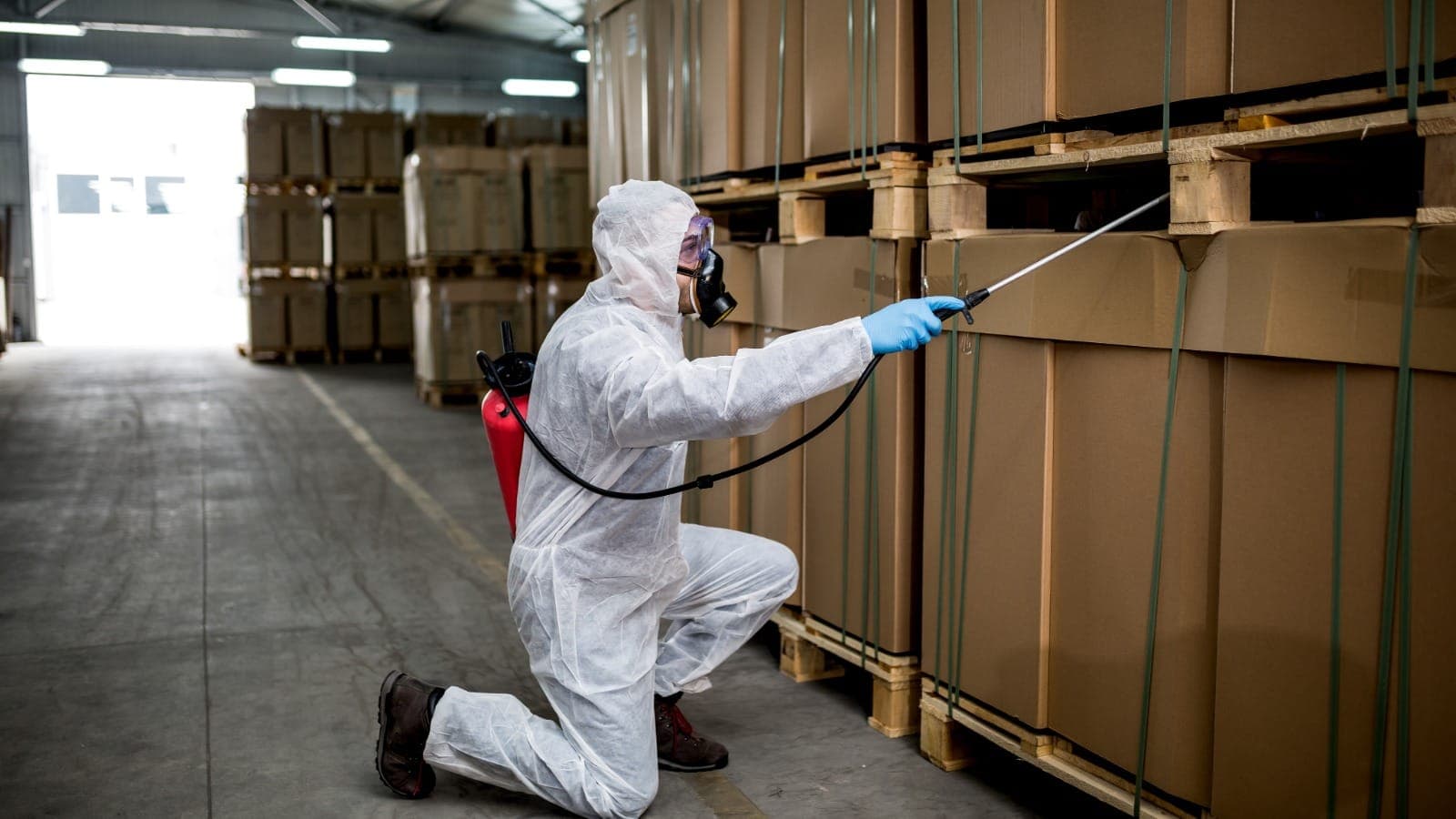
- ▸PPE: respirators (P2 / P3), nitrile gloves, full coveralls, safety glasses — $400–$800
- ▸Pesticide stocks (rotating, different active ingredients) — $300–$600/mo restock
- ▸Branded ute or van (look professional — pest control is trust-heavy) — $5,000–$12,000
- ▸Public liability insurance ($5M+, given chemical exposure liability) — $80–$150/mo
- ▸NZ Biosecurity Institute / Pest Management Association NZ membership — ~$300/yr (optional)
- ▸Sole App for invoicing — purpose-built for sole traders, NZ launch June 2026
Why this is AI-proof
Reading the rodent runs along a roof cavity, identifying the species of cockroach in a kitchen (different control strategies for German vs American), spotting where wasps are nesting in eaves — every job is detective work, then chemistry, then physical placement. Software inspects nothing. Customers are paying for a person who'll find the problem AND not poison their pets.
Why NZ pest control is undersupplied
NZ's pest profile is unique — the absence of native predators meant introduced rats, mice, possums, and wasps thrive. Every NZ home has rodents in the roof cavity at some point. Every commercial kitchen has cockroach pressure. Wasps are a serious public health pest in summer. Demand is constant — supply is dominated by 2-3 national franchises (Flick, Rentokil) with corporate pricing and slow response. Independent operators with personal service and local knowledge win on responsiveness alone.
Three reliable customer segments: (1) Residential — homeowners with rodent problems, ant infestations, wasp nests. Found via Google search. (2) Commercial — restaurants, food manufacturers, supermarkets need monthly inspection contracts (recurring revenue). (3) Real estate — pre-sale building reports flag pest issues; pest treatment becomes a settlement condition.
What to charge in 2026 NZ
- Single residential treatment (rodent / ant / cockroach): $180–$340
- Whole-house treatment + ongoing protection: $380–$650
- Wasp nest removal: $180–$320
- Possum trapping (residential, multi-visit): $480–$900
- Commercial monthly inspection + treatment contract (small restaurant): $200–$450/mo
- Commercial kitchen / food manufacturer (large): $700–$2,500/mo
- Pre-purchase pest inspection report: $260–$480
Funding
Three WINZ programmes can stack to help cover this.
If you're on Jobseeker Support, the Self-Employment Start-Up Payment can cover the Approved Handler course, equipment, PPE, and pesticide stock. Flexi-Wage adds up to NZ$16,800 over 28 weeks of living costs. Business Training Grant adds up to NZ$5,000.
Compliance: HSNO + Approved Handler + records
Pest control involves hazardous substances (HSNO Act 1996). Anyone using restricted-tier pesticides must hold an Approved Handler certificate (1-2 day course, $400–$900, valid 5 years). Records of all pesticide use must be kept for 7 years. EPA NZ regulates which pesticides can be used and in what concentrations — keep current with the EPA's Hazardous Substance Compliance Codes. Records + compliance = your defence if a customer or council ever queries application.
The commercial recurring-contract play
Residential is bread-and-butter ($200-$600 per visit). Commercial is the long-game: monthly inspection + treatment contracts at restaurants, cafes, food manufacturers, retirement villages, body corporates. A book of 20-40 commercial monthly contracts at $250-$500/month = $5,000-$20,000/month recurring before any residential work. Build commercial relationships from year 1 — drop into 30 restaurants in your patch with a printed one-pager.
Bird control + biosecurity-adjacent specialisations
Bird control (pigeons, sparrows, gulls) is a specialist add-on — netting, spike installation, trap-and-release. Higher per-job rate ($400-$2,500). Biosecurity-related work (Argentine ants, wasps near native bush) sometimes attracts council subsidies — worth checking Auckland Council, Bay of Plenty Regional Council, Tasman pest-management programmes for contractor opportunities.
Common questions
How long does the Approved Handler certification take?
1-2 day course, online theory plus practical assessment. Course providers include Tox Free NZ, Asure Quality, and several private trainers. Cost is $400-$900. Valid for 5 years; renewal is a half-day refresher. The certification is the legal prerequisite to use restricted-tier pesticides — non-negotiable.
Can I do this without a science background?
Yes. The Approved Handler course covers chemistry basics. The technical learning curve is real but not deep — most operators are fluent within 3-6 months of full-time work. Pattern-recognition (which pest, which treatment, where to apply) is the skill that compounds.
What earning shift am I looking at vs being PAYE?
Most PAYE-employed pest control technicians earn $55,000-$75,000/yr (typically working for one of the franchise networks). Self-employed pest controllers with a residential + commercial mix pull $90,000-$170,000+ annually (Pest Management Association NZ industry data). The leap comes from owning customer relationships and recurring commercial contracts.
Is this seasonal?
Bimodal. Summer is wasp + ant + flies + cockroach peak. Winter is rodent peak (rats moving indoors). Both peaks are intense; the shoulder seasons are quieter but recurring commercial contracts even out the year. A balanced book is steady income.
How does the Pest Management Association NZ help?
PMANZ membership gives technical CPD, industry advocacy, group purchasing of chemicals, and member directory listing (modest lead source). Cost ~$300/yr. Worth joining once you're operational — it's a quality signal customers recognise, especially commercial customers doing supplier vetting.
Related ideas
If this fits the kind of work you're drawn to, you might also want a look at these — same shape, different patch.
$3,000–$8,000 startup
Start a Section Clearing & Lifestyle Block Business in NZ →
NZ has 200,000+ lifestyle blocks.
$2,500–$6,000 startup
Start a Junk Removal Business in NZ →
Hard rubbish, end-of-tenancy clearouts, deceased estates, garage cleanouts — every property turns over and most of them generate a skip-load of stuff.
$1,500–$5,000 startup
Start a Handyman Business in NZ →
Most NZ tradies don't want to come out for a 90-minute job.
$1,500–$4,000 startup
Start a Garden Maintenance Business in NZ →
Hedging, pruning, weeding, mulching, seasonal planting.
If this fits
Ready to build it?
Self Made builds the digital infrastructure, runs the marketing, and gets the phone ringing. Same playbook that took Mr Mow to dominating local search across his Southland patch in weeks.
Last updated 6 May 2026